
11 Turkish words you won't believe they are borrowings!
Turks have lived across numerous geographies and interacted with many cultures and languages. Because of that, there are a large number of borrowings in the language. The interesting thing is that, over time, these words gain Turkish phonetics and evolve to fit the major and minor vowel harmonies (e.g. Asya, Avrupa). In this post, we're going to look at Turkish borrowings that you won't believe are actually borrowings!
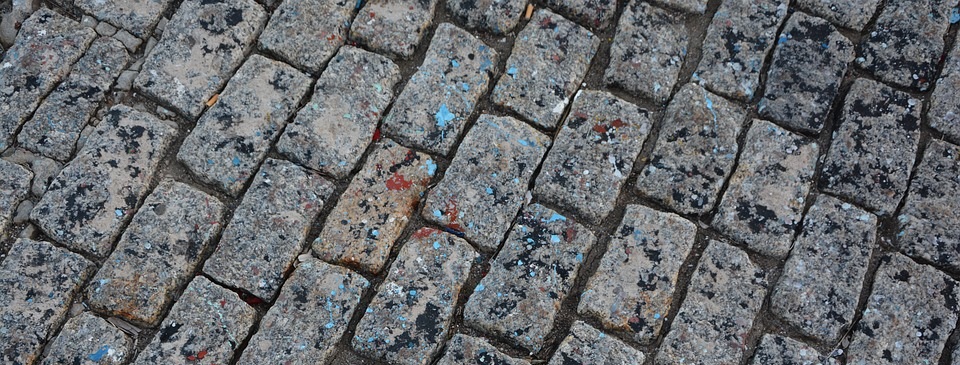
Kaldırım (pavement): If you think this word is derived from the Turkish verb kaldırmak, you're wrong. 'Kaldırım' is derived from the Greek word kallidrómos, meaning 'good/beautiful road' — kalo (beautiful) + drom (road); we encounter the same root 'drom' in 'hippodrome'.
Boğa yılanı (gopher snake): These snakes kill their prey by squeezing them to death (boğmak). However, 'boğa yılanı' is definitely not derived from the Turkish verb boğmak. They usually live in South Africa and Madagascar and can eat a jaguar or a pig at a time. These snakes are called 'boa' in the local language of the region, so the correct spelling would really just be 'Boa', as in 'Piton' or 'Anaconda'. Yet 'boğa yılanı' fits by a lucky coincidence.
Aferin (well done): This word has been in Turkish so long it sounds native. Its first appearance predates 1500. It's borrowed from the Persian word âferin, and over time it evolved to fit major vowel harmony. Its original meaning is 'compliment' in Persian, now used as 'bravo' in Turkish.
Kilit (lock): Turkish borrowed this word from Persian kelīd, meaning 'anahtar' (key). Persian, in turn, borrowed it from ancient Greek kleid, itself derived from an Indo-European root *klau (also behind 'close', or 'la clave' in Spanish). 'Anahtar', meanwhile, comes from Greek anoiktḗri, meaning 'açkı, açacak' (opener).
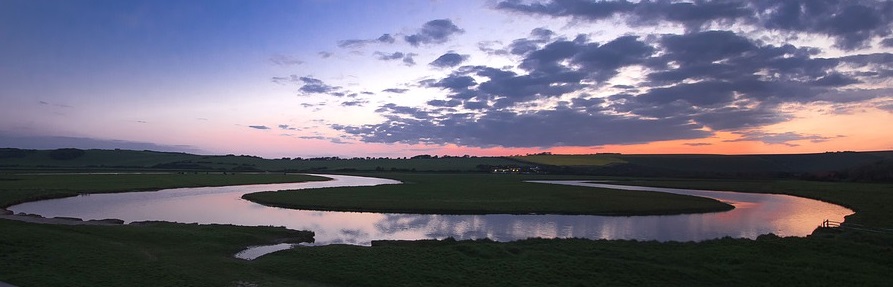
Menderes: Meandering water (see the similarity?). The same word exists in modern Greek today as méandros. Turkish sources say the word entered ancient Greek as the name of a river in Anatolia (today's Menderes river). Etymonline explains 'meander' as coming from Greek Maiandros, the name of a winding river in Caria — the Greeks used the name figuratively for winding patterns.
Anadolu: The land between the Euphrates and the East Aegean sea was called Anatolía in Medieval Greek. The people of Anatolia now call the same land 'Anadolu'. The earliest appearance of the word is in Düsturname-i Enveri (1456). The Greek word derives from ancient Greek anatolē, literally meaning 'rising', since the sun rises from the east Aegean coast.
Efendi (master, sir): If someone calls your name and you say 'I am here', or if you don't understand something and want it repeated, you'd say 'efendim'. This common phrase actually comes from Medieval Greek avthéntis, meaning 'royal' (similar to 'bey' — let's check that next).
Bey (mister): The word comes from the Sogdian language, the medium of communication along the Silk Road until the 9th century. The roots of the word can be traced to Avestan and Sanskrit (Indo-European languages).
Avanak (simpleton): This word is borrowed from Armenian. Its first appearance in the language is in 1876 (Ahmet Vefik Paşa, Lugat-ı Osmani), which defines the word as 'fool person'. The original meaning in Armenian is donkey-foal, which can be traced back to Medieval Persian of the 5th-6th centuries, where it exists as yavān/yuvān (young) — reminding us of 'civan' (young man).
Temel (base): The word comes from the Greek word themélio — the base of a sculpture is called 'themélio' in Greek. Its first appearance in Turkish is in 15th-century Ottoman Turkish, which is quite early, and it keeps the same meaning today. It's surprising that Temel, the famous protagonist of Turkish jokes, takes his name from Greek.
Kermes (charity sale): We encounter the same word in many Western languages (kermesse in Spanish and French). Its first appearance in Turkish is in 1935, borrowed from French 'kermesse', meaning 'charity sales after a Sunday ceremony' — itself a compound of Greek 'kýrios' (lord) and Latin 'missa' (mass), first combined in German.