

20 Popular Turkish Proverbs That Will Make You Think
One thing I should make clear is that Turkish proverbs are still in use in modern-day Turkish. You can hear them in politics or in the streets. So it's important to learn these proverbs in order to understand the language.
Proverbs are famous sayings that express basic truths widely known by people. A good proverb is catchy and impressive, so that people keep repeating it from one generation to the next.
The Turkish language is pretty rich in this sense. In this article, we'll look at some Turkish proverbs and interpret their meanings. English and Spanish equivalents will also be mentioned and compared.
The main goal here is to grow your knowledge and help you use these proverbs in real life, because they're commonly used in daily life as well as in newspapers.
Let's begin.
Ayağını yorganına göre uzat.
En. stretch your arm no further than your sleeve will reach (Tr. kolunu yenine göre uzat.)
This proverb basically means don't spend more money than you have. I think this expression will keep its popularity for a long time, as credit cards become more prevalent in our lives.
Lit. stretch your foot no further than your coverlet.
Sp. extienda la pierna hasta donde llegue la sábana
The Spanish and Turkish versions are almost identical.
Balık baştan kokar.
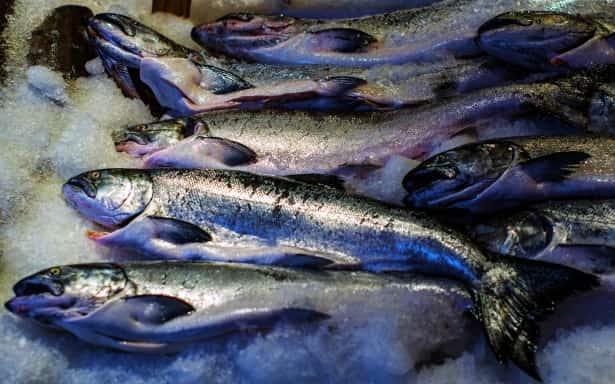
En. corruption starts at the top, or: a fish rots from the head down.
It simply means that if a worker or student is unsuccessful and disorganized, it's because of their leaders. In other words, if corruption is carefully investigated, the problems can be traced back to leaders' mistakes (the same goes for the president of a country).
This proverb exists in various languages such as Chinese, Polish, and Greek. Many countries lay claim to it.
Even though today's popular version is 'a fish rots from the head down', the earlier English phrase was 'a fish stinks from the head down'. Unfortunately, I couldn't find a similar phrase in Spanish.
Akıl akıldan üstündür.
En. two heads are better than one.
It's always better to be open to advice and criticism. People can have inspiring opinions you can take advantage of.
Example: İnsanlara yukarıdan bakmamanı tavsiye ederim, insanların fikirlerini dinle, akıl akıldan üstündür.
(Eng. I suggest you not look down on people with contempt — listen to people's ideas, 'akıl akıldan üstündür'.)
Bir elin nesi var, iki elin sesi var.
English: one hand washes the other and together they wash the face.
Also: Yalnız taştan duvar olmaz
Here, the focus is on cooperation.
Sp. Más valen cuatro ojos que dos — literally: two eyes foresee better than one.
Bekara karı boşamak kolaydır.
Tr. Bekara karı boşamak kolaydır. Lit. It is easy to get divorced for a bachelor.
The meaning can be understood from its literal sense. The closest English expression is 'easier said than done' — not identical, but similar.
En. one never knows what exactly one is suffering unless they suffer from the same thing.
If someone isn't affected by the consequences of an incident, they don't care enough.
There's another proverb with a similar meaning: 'Davulun sesi uzaktan hoş gelir' (lit. distance makes drum sounds better). Bekara karı boşamak kolaydır is used when an important decision needs to be made and one of the people involved is being reckless about it.
TDK (Turkish Language Association) describes this expression as a saying used when "those not involved in an affair think it's easy or profitable."
Davulun sesi uzaktan hoş gelir
En. distance lends enchantment to the view
"Davulun sesi uzaktan hoş gelir" is used to express admiration from someone who doesn't know the details — the admired thing or person actually comes with a lot of trouble.
Damlaya damlaya göl olur.
En. little strokes fell great oaks
Doğru söyleyeni dokuz köyden kovarlar.
En. all truth is not always to be told
Lit. the man who tells the truth is driven out of nine villages
This is a very popular saying in Turkey. Sometimes you just have to lie — society, friends, and family might push you to, even if you'd rather not. This proverb refers to exactly that situation: someone who always speaks the truth can struggle to get along with others. If you speak the truth in a situation where you didn't need to, you can easily make enemies.
Some people add a second half after this proverb: '...ama onuncusuna muhtar olur', meaning 'but in the tenth village, they become the chief'.
Dost kara günde belli olur.
En. a friend in need is a friend indeed
Sp. en el peligro se conoce el amigo, or: en la mucha necesidad, se conoce al amigo de verdad.
Erken kalkan yol alır.
En. the early bird gets the worm
Sp. a quien madruga dios le ayuda
I strongly agree with this advice.
Eşeğe altın semer vursan da eşek yine eşektir.
En. a fool with a tool is still a fool
Sp. Aunque la mona se vista de seda, mona se queda (lit. although the monkey is dressed in silk, it's still a monkey).
The Spanish version carries an unfortunate racist undertone in some contexts. The Turkish and English versions are more about foolishness itself.
İyi insan lafın üstüne gelir.
The meaning is fairly clear: if someone you like is mentioned and then appears, you say "İyi insan lafın üstüne gelir." Otherwise (informal): "İti an çomağı hazırla" — roughly, "speak of the devil!"
The interesting word here is "it", which means "dog" in old Turkish — traditionally the most loyal friend of humans, though apparently less so in this particular saying. Dogs were historically less domesticated in Anatolia than cats; in ancient times, the horse, not the dog, was considered the Turks' best friend.
Alma mazlumun ahını, çıkar aheste aheste.
(lit. don't make an oppressed person sigh — you'll pay for it, slowly but surely)
The closest English equivalent: don't make a martyr sigh, you will pay for it by and by.
Körler sağırlar, birbirlerini ağırlar.
Said of a couple or group of people sharing the same awkward trait, or chasing the same misguided goal: "körler sağırlar birbirini ağırlar" — literally, the blind feast with the deaf.
Lafla peynir gemisi yürümez.
En. actions speak louder than words.
I really like this one. "Lafla peynir gemisi yürümez" literally means you can't move a ship with words. True indeed — instead of talking, take action.
Sp. obras son amores, que no buenas razones
Tatlı dil yılanı deliğinden çıkarır.
En. a soft answer turneth away wrath, or: you can catch more flies with honey than with vinegar.
It implies that speaking politely leads to a positive outcome, even with someone who seems difficult. Using language effectively is essential when trying to convince people.
Üzümü ye bağını sorma.
En. ask no questions and hear no lies
This proverb suggests you shouldn't wonder more than necessary — take advantage of what's given to you rather than questioning everything. Eat the grape, and don't ask where it came from.
Ya olduğun gibi görün ya da göründüğün gibi ol.
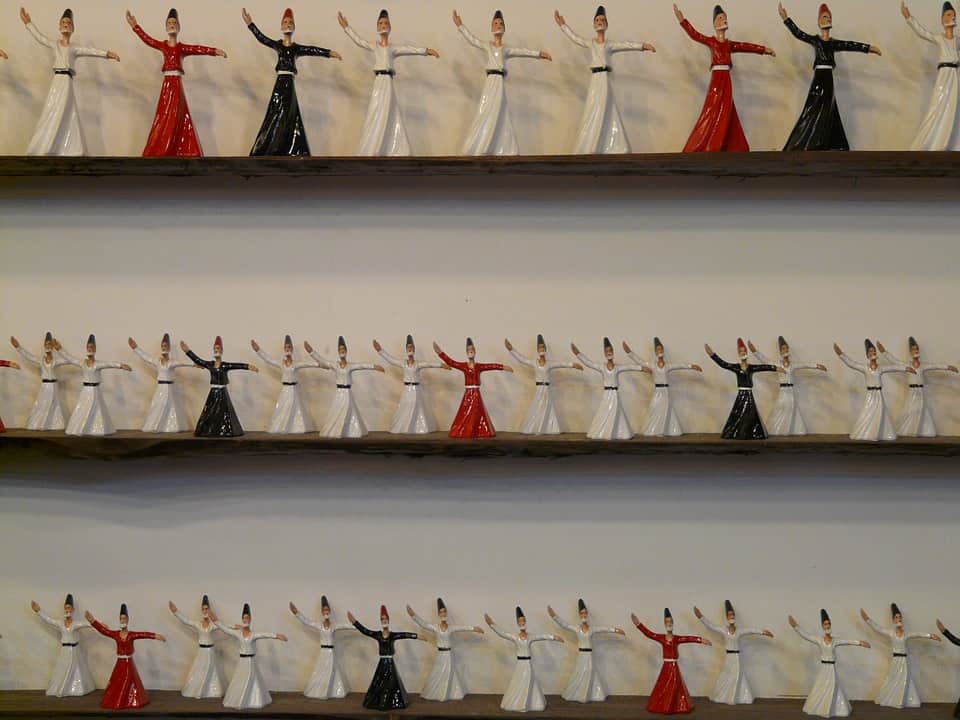
This proverb comes from a poem by Rumi.
En. either seem as you are, or be as you seem.
Don't deceive people.
Zararın neresinden dönülse kârdır.
En. better lose the saddle than the horse
It doesn't matter at which point you realize your mistake — be glad you caught it, rather than dwelling on the loss, since you could always lose more. Accept the small loss (the saddle) rather than losing the horse.
Zorla güzellik olmaz.
En. you can lead a horse to water but you can't make it drink.
You can't force someone to do something. You can give opportunities, but you can't force someone to take them.